Dog Hydrotherapy And Physiotherapy: What’s The Difference?
When it comes to supporting a dog’s recovery and long-term mobility, hydrotherapy and physiotherapy are two of the most effective forms of treatment. While both focus on improving movement, strength and comfort, they use different techniques to achieve those results.
Understanding how each works can help you decide which therapy best suits your dog’s individual needs.
What is dog hydrotherapy?
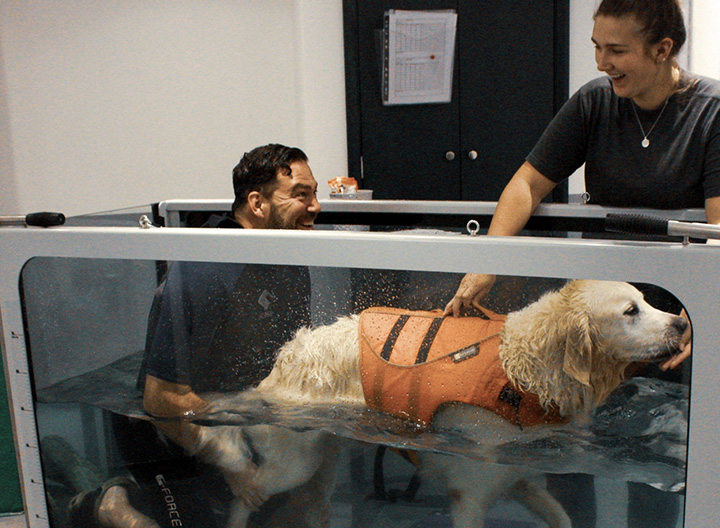
Dog hydrotherapy uses the properties of warm water to relieve pain, build strength, and restore movement. Because water supports much of a dog’s body weight, it allows gentle exercise with reduced joint pressure. This makes it ideal for dogs recovering from surgery, managing arthritis, or building confidence after injury.
Sessions are usually held in a purpose-built hydrotherapy pool or underwater treadmill, supervised by trained therapists. The resistance of the water strengthens muscles, while the warmth helps to relax and soothe stiff joints. Many dogs find hydrotherapy both therapeutic and enjoyable once they become familiar with the water.
What is dog physiotherapy?
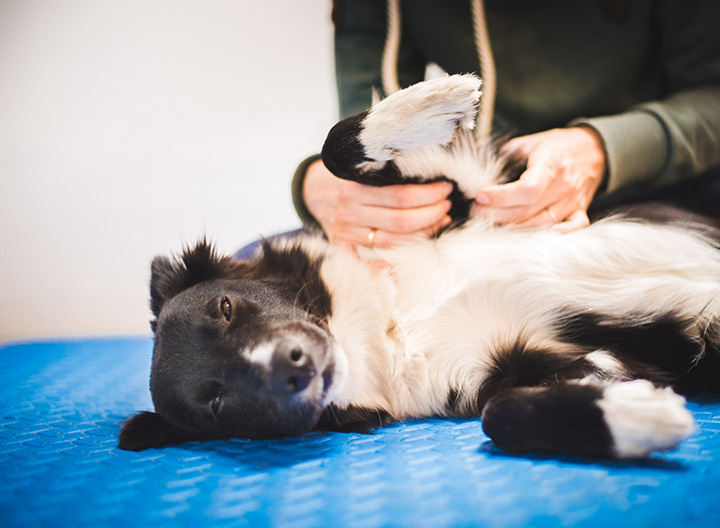
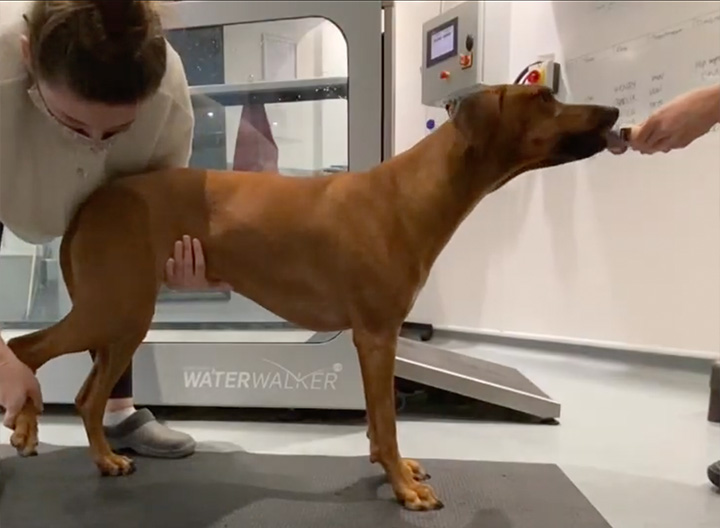
Physiotherapy focuses on improving mobility and function through land-based exercises and manual techniques such as massage, stretching and joint mobilisation. It’s a highly tailored treatment designed around each dog’s condition and stage of recovery.
A physiotherapist will often assess posture, gait, and muscle tone before developing a programme of targeted exercises. This may include balance work, resistance training, or coordination drills, all designed to help rebuild strength and prevent re-injury.
Which therapy is right for your dog?
In many cases, hydrotherapy and physiotherapy work best together. Hydrotherapy offers a low-impact way to regain confidence and muscle tone, while physiotherapy strengthens and maintains that progress on land.
If your dog is recovering from an operation, struggling with mobility, or simply slowing down with age, a professional assessment will help determine the right approach. With expert care, both therapies can greatly improve comfort, strength, and quality of life.
-
Previous
-
Next