How Much Exercise Does Your Dog Really Need Each Day?
Regular exercise is essential for keeping dogs healthy, happy and well-balanced. Physical activity supports cardiovascular health, maintains a healthy weight and provides valuable mental stimulation.
However, the amount of exercise a dog needs can vary considerably depending on factors such as breed, age, size and overall health. Understanding what your dog truly needs each day can help you build a routine that supports their wellbeing.
How does breed make a difference to a dog’s exercise needs?
One of the biggest factors influencing a dog’s exercise requirements is breed. Some breeds are naturally high-energy and thrive on frequent activity, while others are more relaxed and require less intensive exercise.
Working and sporting breeds such as spaniels, retrievers and collies typically need at least one to two hours of exercise per day. This can include walks, play sessions and activities that challenge them mentally as well as physically.
On the other hand, smaller or less active breeds may be perfectly content with around 30 to 60 minutes of daily exercise. The key is to understand your dog’s natural energy level and ensure their routine matches their needs.
How much exercise do puppies and younger dogs need?
Puppies and adolescent dogs often appear to have endless energy, but their exercise needs should still be managed carefully. Their joints and bones are still developing, so extremely long or intense exercise sessions are not recommended.
Shorter walks combined with play and training sessions throughout the day tend to be the most suitable approach. This provides both physical movement and mental stimulation without putting unnecessary strain on growing bodies.
What exercise needs do older dogs have?
Senior dogs still benefit greatly from regular exercise, even if their pace slows down. Gentle daily walks help maintain mobility, support joint health and prevent stiffness.
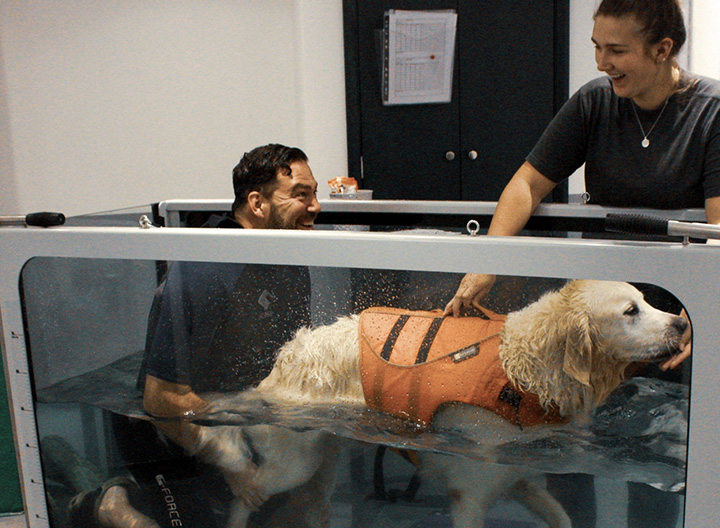
Older dogs may prefer shorter, more frequent outings rather than one long walk. Low-impact activities such as swimming or controlled exercise sessions can also help keep them active while protecting their joints.
Physical exercise and mental stimulation
Exercise is not only about physical activity. Mental stimulation plays an important role in keeping dogs engaged and preventing boredom-related behaviours.
Exploring new environments, playing interactive games or practising basic training can all contribute to a dog’s daily activity needs. Dogs that receive sufficient mental enrichment are often calmer and more settled at home.
Could your dog benefit from professional daycare?
Our everyday routines can make it challenging to provide dogs with the level of activity they need. Long working hours or busy schedules may mean dogs spend extended periods alone at home.
Structured environments such as professional dog daycare can provide supervised exercise, play and social interaction during the day. This helps ensure dogs remain active and stimulated even when their owners have demanding schedules.
By providing the right amount of daily movement, enrichment and social interaction, you can support your dog’s physical health and overall quality of life. Regular activity, tailored to your dog’s individual needs, is one of the most effective ways to keep them happy and thriving.
-
Previous