How Often Should You Book Dog Grooming? A Breed-By-Breed Guide
For us humans, it’s definitely ‘wrong coat season’ - sunny and warm one minute, dragged straight back into winter the next - making it difficult to know how to dress for outdoor activities. For our dogs, keeping comfortable in their coats is even trickier.
To help, we’ve put together a handy breed-by-breed guide of how often dog grooming should be booked.
Short-haired breeds
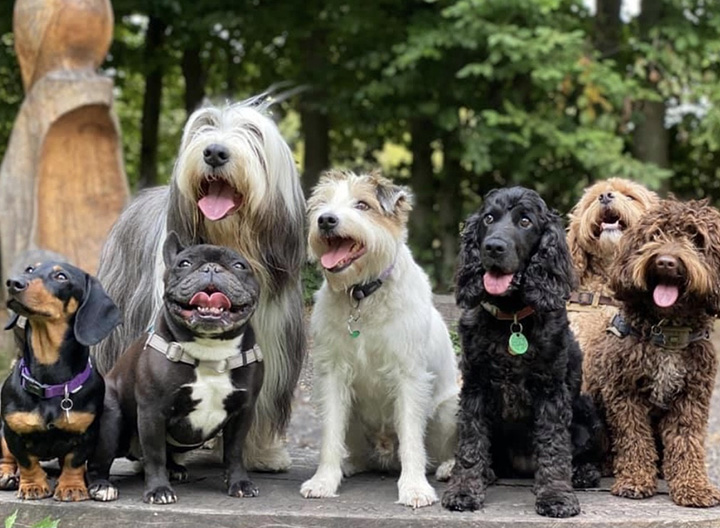
Dogs with short, smooth coats, such as Labradors, Beagles, and French Bulldogs, are relatively low maintenance. While they don’t require frequent haircuts, they still benefit from regular grooming to remove loose hair, maintain skin health, and keep them clean.
Recommended schedule: Every six to eight weeks for a professional groom, with brushing at home once or twice a week.
Double-coated breeds
Breeds like Golden Retrievers, Huskies, and German Shepherds have dense double coats that shed heavily, particularly during seasonal changes in spring and autumn. Regular grooming helps manage shedding and prevents the undercoat from becoming compacted.
Recommended schedule: Every four to six weeks, with more frequent visits during peak shedding seasons.
Long-haired and silky coats
Breeds such as Cocker Spaniels, Shih Tzus, and Afghan Hounds require more consistent grooming due to their longer, finer hair, which is prone to tangling and matting. Without regular attention, their coats can quickly become uncomfortable and difficult to manage.
Recommended schedule: Every four to six weeks, combined with brushing at home several times per week.
Curly and wool coats
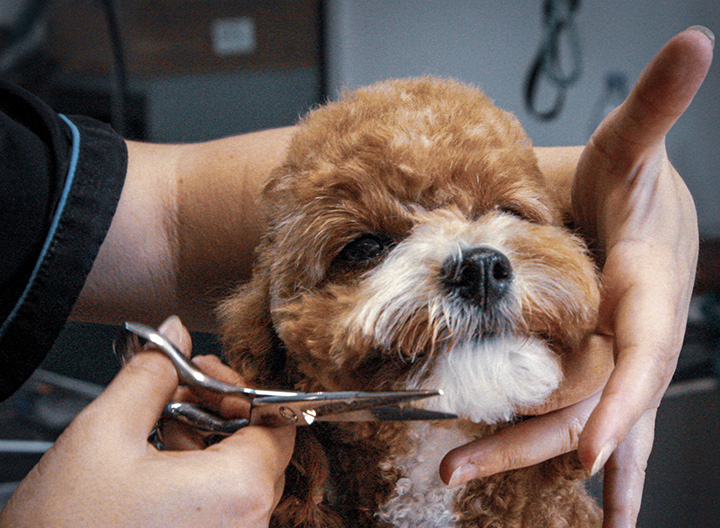
Poodles, Cockapoos, and other doodle breeds have curly or wool-like coats that grow continuously. These coats are particularly prone to matting if not maintained properly, making routine doodle grooming essential.
Recommended schedule: Every four to six weeks, sometimes more frequently depending on coat length and lifestyle.
Wire-haired breeds
Terriers and similar breeds often have wiry coats that require specialised grooming techniques such as hand-stripping or clipping. Regular grooming helps maintain coat texture and keeps the skin healthy.
Recommended schedule: Every six to eight weeks, depending on coat condition and grooming method.
Puppies and senior dogs
Puppies benefit from early, gentle introductions to grooming to build confidence and familiarity. Short, positive sessions are key in the early stages.
For older dogs, grooming remains important but may need to be adapted for comfort, particularly if mobility or health issues are present.
Recommended schedule: Puppies can start with short sessions every four to six weeks; senior dogs should maintain a regular routine tailored to their needs.
Lifestyle matters too
Breed is only part of the picture. Dogs that spend a lot of time outdoors, swim regularly, or have active social routines (such as attending daycare) may require more frequent grooming. Regular maintenance helps prevent matting, skin irritation, and discomfort.
Finding the right routine
A consistent grooming schedule keeps your dog comfortable, supports skin and coat health, and allows professionals to spot any early signs of issues such as lumps, irritation, or parasites.
If you’re unsure what’s right for your dog, a professional groomer can assess their coat and recommend a tailored schedule.
-
Previous
-
Next