How Do A Dog’s Physical Needs Change During Colder Weather?
During winter months, a dog’s body responds in measurable ways. Cold weather affects joints, muscles, skin, and activity levels, often more than owners expect.
While dogs are adaptable, winter places additional physical demands on their bodies, making informed seasonal care increasingly important.
How does cold weather affect your dog’s movement & joints?
Research shows that cold temperatures can reduce joint lubrication and increase stiffness, particularly in dogs with arthritis or previous musculoskeletal injuries.
Studies estimate that up to 20 per cent of adult dogs show signs of osteoarthritis, rising to over 80 per cent in senior dogs. Cold, damp conditions can make these symptoms more noticeable, even in dogs that appear otherwise healthy.
At the same time, winter routines often mean shorter, less frequent walks, reducing overall daily movement. This combination of cold exposure and reduced exercise can lead to muscle tightness, slower warm-up times, and reduced flexibility.
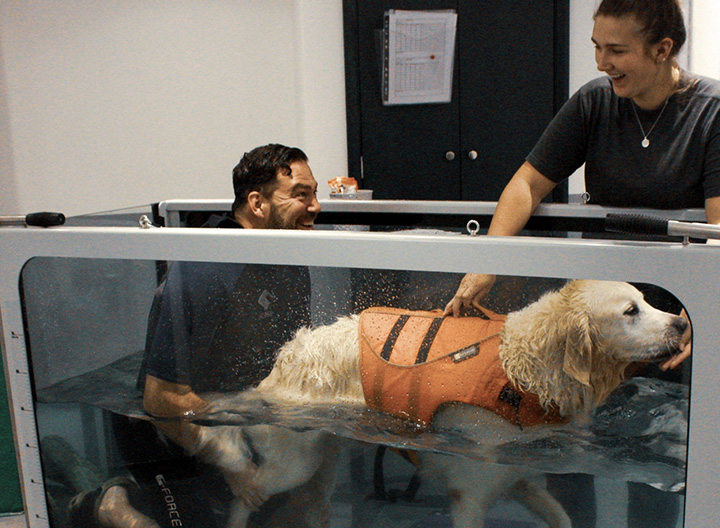
Low-impact, controlled movement becomes especially valuable during this period, helping dogs maintain strength without unnecessary strain.
What are the coat and skin challenges for dogs in winter?
Winter coats may grow thicker, but this doesn’t necessarily mean better protection. Damp weather, grit, road salt, and mud can become trapped close to the skin, increasing the risk of:
- Matting and restricted movement
- Skin irritation and hotspots
- Reduced air circulation to the skin
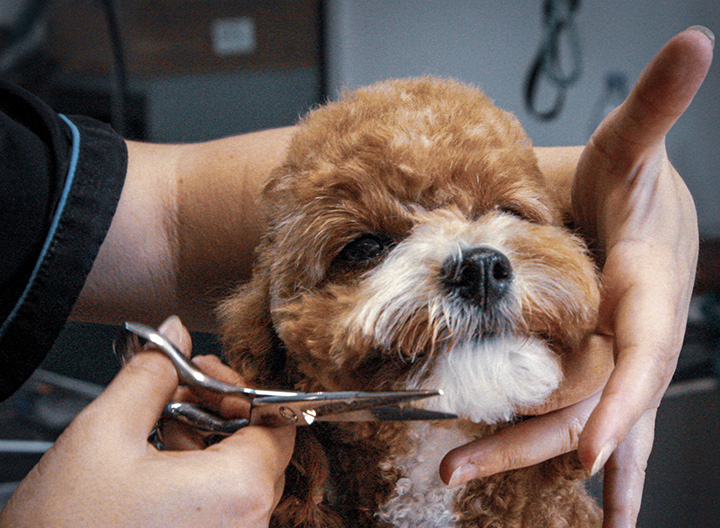
Professional grooming during winter supports both comfort and skin health. Regular coat maintenance also allows early identification of lumps, soreness, or skin changes that may otherwise go unnoticed under thicker fur.
Do dogs have different nutritional requirements in winter?
Dogs typically burn fewer calories in winter due to reduced activity. Even a small daily calorie surplus can result in gradual weight gain.
Research indicates that over 50 per cent of dogs in the UK are overweight, which places additional pressure on joints and reduces mobility; issues that are often amplified in colder months.
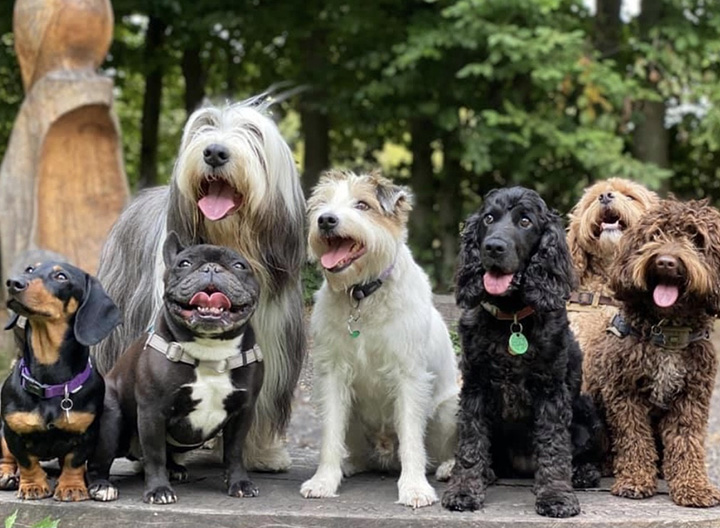
Structured activity, such as daycare or therapeutic exercise, helps maintain energy balance while supporting mental stimulation when outdoor time is limited.
Step-by-step: supporting your dog’s physical needs in winter
A proactive approach can make a significant difference. Consider the following winter care framework:
Maintain regular movement
Focus on consistency rather than intensity, using controlled environments where possible.
Monitor stiffness and mobility
Watch for changes in gait, reluctance to jump, or slower movement after rest.
Keep coat and skin well maintained
Regular grooming reduces matting and helps prevent skin issues caused by damp conditions.
Adjust diet if activity drops
Review portion sizes if walks shorten or routines change.
Seek early support
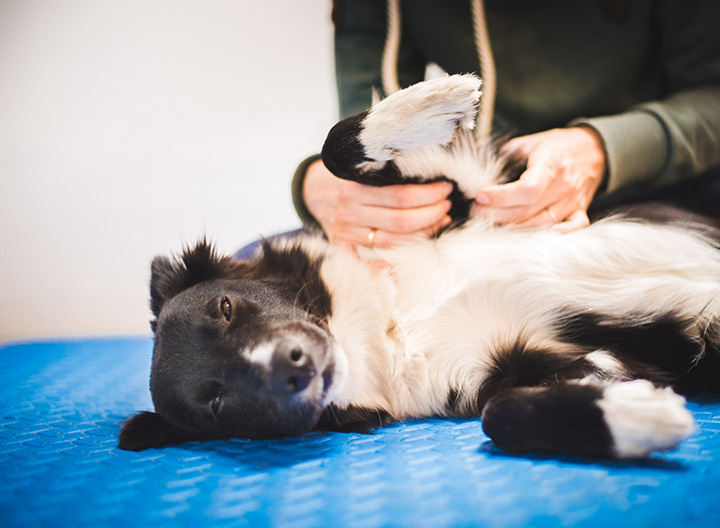
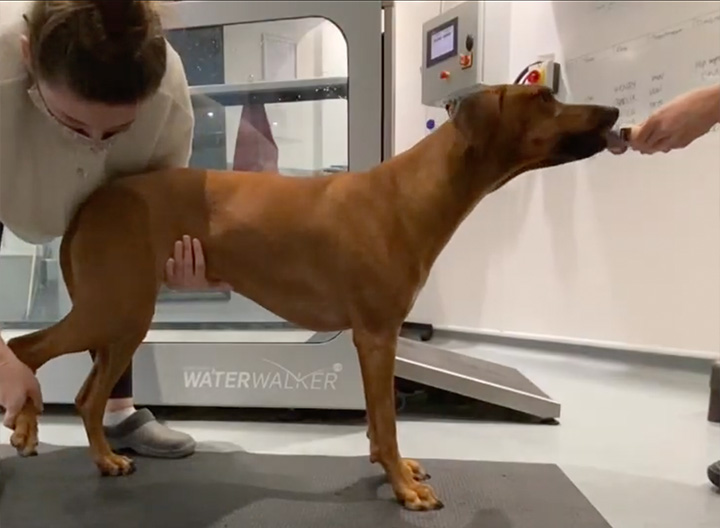
Physiotherapy or hydrotherapy can address minor issues before they develop into long-term problems.
Why winter care matters
Winter often reveals issues that are easier to miss in warmer months. Subtle changes in posture, flexibility, or comfort can be early indicators of physical strain. Addressing these early supports long-term mobility, comfort, and quality of life.
By adapting care to seasonal demands, owners can help ensure their dogs remain active, comfortable, and well supported throughout the colder months.
If you would like some information about how hydrotherapy for dogs in London could help your pet this winter, please get in touch with our team today.
-
Previous
-
Next