What Is Dog Hydrotherapy And When Is It Recommended By Vets?
Dog hydrotherapy is a clinically recognised form of physical therapy that uses controlled water-based exercise to support rehabilitation, pain management and long-term mobility in dogs.
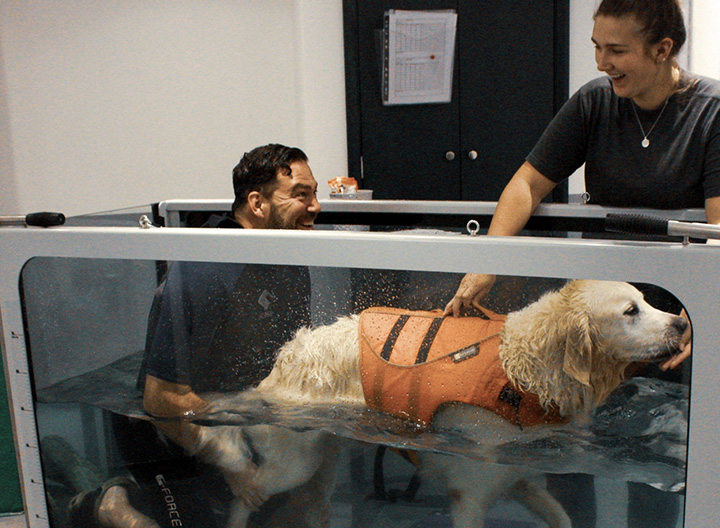
It is most commonly delivered in a purpose-built hydrotherapy pool or underwater treadmill, overseen by trained professionals and often recommended by veterinary practices.
Unlike free swimming, dog hydrotherapy is structured, supervised and therapeutic, with each session tailored to the individual dog’s condition, size and ability.
What does dog hydrotherapy involve?
Dog hydrotherapy typically takes place in one of two settings:
- Hydrotherapy pool: Dogs swim in warm water under constant supervision. Buoyancy reduces pressure on joints while encouraging safe, low-impact movement.
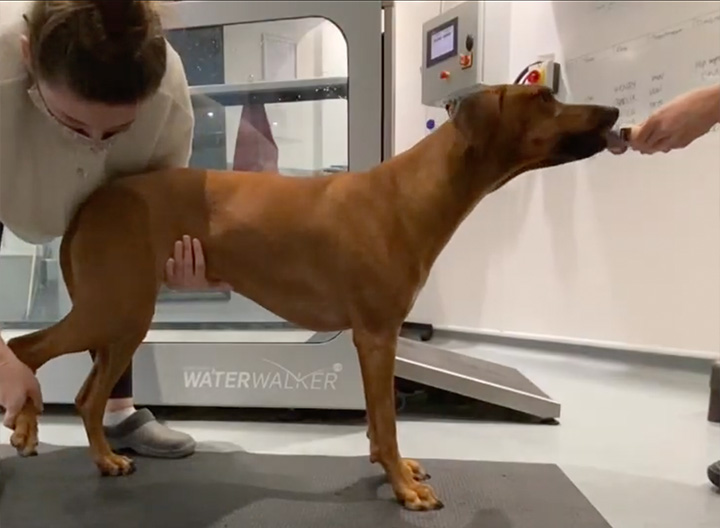
- Underwater treadmill: Dogs walk at a controlled pace while water supports their body weight. This allows precise gait correction and muscle strengthening.
Water temperature, depth and session length are carefully managed to maximise benefit while avoiding fatigue or strain.
How does dog hydrotherapy help?
Water provides natural resistance while significantly reducing joint load. This makes hydrotherapy particularly effective for dogs that struggle with traditional exercise on land.
Key benefits of dog hydrotherapy include:
- Improved joint mobility
- Increased muscle strength without impact
- Reduced pain and stiffness
- Improved circulation
- Faster post-operative recovery
- Increased confidence in movement
Because dogs can move more freely in water, hydrotherapy often enables progress that wouldn’t be possible through land-based exercise alone.
When is dog hydrotherapy recommended by vets?
Veterinary professionals commonly recommend hydrotherapy for dogs with:
- Post-surgical recovery (e.g. cruciate ligament repair, spinal surgery)
- Arthritis and degenerative joint disease
- Hip or elbow dysplasia
- Neurological conditions
- Soft tissue injuries
- Weight management issues
- Age-related mobility decline
Hydrotherapy is also used preventatively for dogs with known joint vulnerabilities or those requiring controlled conditioning without impact.
Most centres will request veterinary consent before starting therapy, ensuring the programme aligns with the dog’s diagnosis and recovery plan.
Is hydrotherapy suitable for all dogs?
While hydrotherapy benefits many dogs, it isn’t suitable for every case. Dogs with open wounds, certain heart conditions, infections or severe stress responses may need alternative approaches.
A professional hydrotherapy assessment will evaluate:
- Medical history
- Mobility and pain levels
- Confidence in water
- Overall fitness and tolerance
Sessions are always adapted to the dog’s comfort and ability, with rest breaks and gradual progression.
How often should dogs attend hydrotherapy?
Frequency depends on the condition being treated. Some dogs attend weekly during recovery phases, while others benefit from regular maintenance sessions. Progress is continually monitored and adjusted as mobility improves.
Consistency is key. Structured sessions over time tend to deliver the best results.
Dog hydrotherapy is a safe, evidence-based therapy widely supported by vets for rehabilitation, pain management and long-term joint health.
When delivered by trained professionals in a controlled environment, it can significantly improve quality of life and mobility for many dogs.
If your dog has been advised to explore hydrotherapy, choosing an experienced centre with strong veterinary collaboration is essential.
-
Previous
-
Next