Why Is My Dog Shedding So Much? Causes And Solutions
If you’ve noticed more dog hair than usual on your floors, furniture, or clothes, it’s natural to be concerned. Shedding is completely normal for most dogs, but when it feels excessive, it may need further investigation.
Understanding why your dog is shedding more than usual is the first step towards managing it effectively.
Normal vs excessive shedding
All dogs shed to some extent. It’s part of the natural hair growth cycle, where old or damaged fur is replaced with new growth. However, the level of shedding varies depending on breed, coat type, and time of year.
In spring many dogs shed their winter coats in preparation for warmer weather. This seasonal shedding can feel intense but is usually temporary.
Excessive shedding, on the other hand, may appear as:
- Noticeably thinning patches
- Clumps of hair falling out
- Dull or dry coat
- Increased scratching or discomfort
If you’re seeing these signs, it’s worth looking deeper.
Common causes of increased dog hair shedding
1. Seasonal changes
As temperatures rise, dogs naturally shed heavier winter coats. This is one of the most common reasons for a sudden increase in hair loss during spring.
2. Poor diet
A dog’s coat health is closely linked to nutrition. Diets lacking essential fatty acids, vitamins, and high-quality protein can lead to dry skin and increased shedding.
3. Stress or anxiety
Changes in routine, environment, or lifestyle can trigger stress-related shedding. This is often accompanied by behavioural changes such as restlessness or excessive licking.
4. Skin conditions or allergies
Allergies (environmental or food-related), parasites, or underlying skin conditions can all contribute to abnormal shedding. These cases often involve redness, irritation, or itching.
5. Lack of regular grooming
Without consistent grooming, loose hair builds up in the coat and sheds more noticeably at once. This can make the problem seem worse than it is.
Practical ways to manage canine shedding
Maintain a consistent grooming routine
Regular brushing is one of the most effective ways to control shedding. It removes loose fur before it ends up around your home and helps distribute natural oils through the coat.
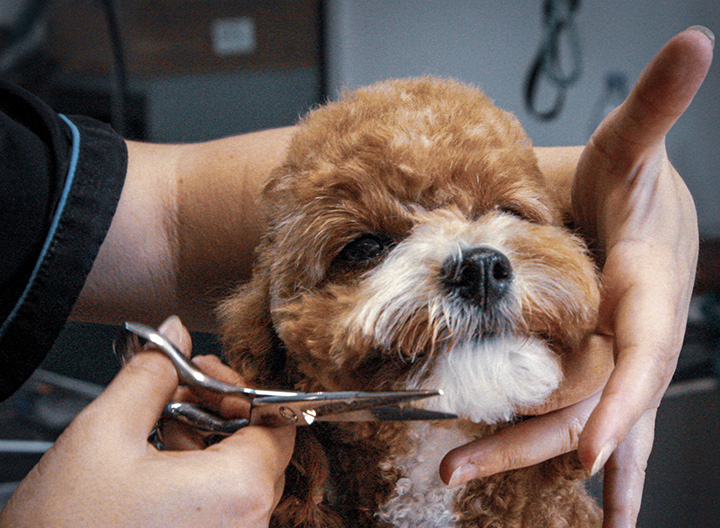
Professional dog grooming can also make a significant difference, especially during peak shedding seasons. A thorough de-shedding treatment can remove excess undercoat safely and efficiently.
Improve diet and hydration
Ensure your dog is eating a balanced, high-quality diet. Omega-3 and Omega-6 fatty acids are particularly important for skin and coat health. Fresh water should always be available to prevent dryness.
Address underlying issues early
If shedding is paired with itching, bald spots, or irritation, it’s important to seek advice promptly. Early intervention can prevent minor issues from becoming more serious.
Consider activity and wellbeing
Regular exercise and mental stimulation help reduce stress-related shedding. For dogs that spend long periods alone, structured environments such as daycare can support both physical and emotional wellbeing.
When to seek professional help to manage shedding
If shedding feels excessive, persistent, or unusual for your dog, it’s always worth getting a professional opinion to assess coat condition and overall health. With the right care, you can keep your dog comfortable and your home a little less covered in hair.
-
Previous