Can Dog Daycare Help Dogs With Separation Anxiety?
Separation anxiety is one of the most common behavioural challenges dog owners face, particularly in busy urban areas where routines can change quickly.
While some dogs cope well with being left alone for periods of time, others can become distressed, anxious or unsettled when separated from their owners.
Dog daycare can be a helpful part of managing separation anxiety for some dogs, but it is important to understand that every dog is different and there is rarely a one-size-fits-all solution.
What does separation anxiety look like in dogs?
Dogs experiencing separation anxiety may show a range of behaviours when left alone, including:
- Excessive barking or whining
- Pacing or restlessness
- Destructive chewing or scratching
- Toileting indoors despite being house trained
- Attempts to escape
- Excessive attachment behaviour when owners are home
In many cases, these behaviours stem from stress rather than disobedience. Dogs are highly social animals, and some struggle more than others with extended periods of isolation.
How dog daycare may help
Professional dog daycare provides structure, company and supervised activity throughout the day. For dogs that become anxious when left alone, this can help reduce boredom and minimise the stress associated with long periods at home alone.
A well-run daycare environment offers:
Social interaction
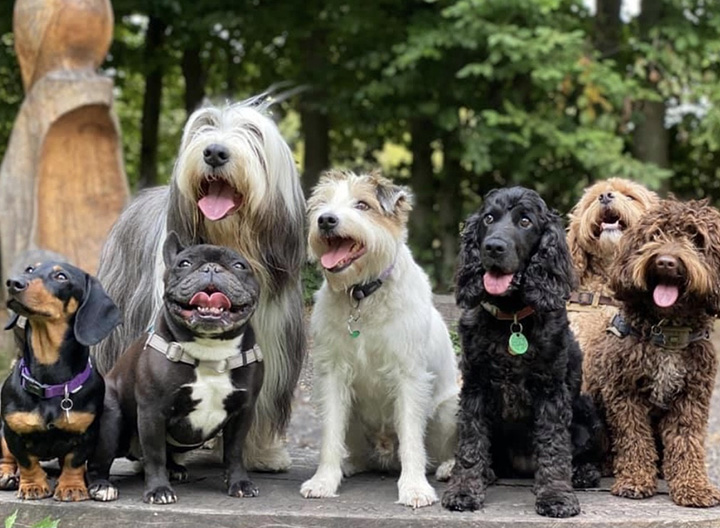
Many dogs benefit from spending time around other dogs and experienced handlers. Positive social interaction can help build confidence and reduce feelings of isolation.
Routine and structure
Dogs often respond well to predictable routines. Regular daycare attendance can create consistency, helping dogs feel more settled and secure.
Mental and physical stimulation
Under-stimulation can sometimes worsen anxious behaviours. Supervised play, enrichment activities and exercise help keep dogs mentally engaged and physically active during the day.
Reduced time alone
For owners working long hours or commuting regularly, daycare can significantly reduce the amount of time a dog spends alone at home.
Is daycare right for every anxious dog?
Not always. Some dogs with severe anxiety may initially find busy environments overwhelming, especially if they are nervous around other dogs or unfamiliar people.
This is why gradual introductions and professional assessment are important. A good daycare provider will take time to understand a dog’s temperament, behaviour and individual needs before recommending regular attendance.
In some cases, daycare works best alongside other support such as behavioural training, home routine adjustments or guidance from a vet or canine behaviour specialist.
Choosing the right daycare environment
If you are considering daycare for a dog with separation anxiety, look for a calm, professionally supervised environment with structured routines and appropriate rest periods.
Key questions to ask include:
- How dogs are grouped and supervised
- Whether quieter spaces are available
- How staff manage nervous or anxious dogs
- Daily exercise and enrichment routines
- Trial or assessment sessions
A professional daycare setting should focus on safety, balance and positive experiences rather than overstimulation.
Supporting your dog long-term
While daycare is not a cure for separation anxiety, it can play a valuable role in supporting a dog’s wellbeing, confidence and daily routine.
For many owners, it also provides reassurance that their dog is spending the day in a safe, engaging and supervised environment rather than struggling alone at home.
-
Previous
-
Next