How Can Cold Weather Affect Dogs With Arthritis And Mobility Problems?
As we draw closer to winter, some dogs with arthritis or other mobility problems may find it harder to move comfortably. Cold, damp weather does not cause arthritis, but it can make existing stiffness, discomfort and reduced mobility more noticeable.
For dogs already managing an injury, recovering from surgery or living with a long-term joint condition, autumn can therefore be a good time to think about maintaining mobility and supporting their rehabilitation.
Why can cold weather affect a dog with arthritis?
Arthritis involves changes within the joints that can cause pain, stiffness and reduced movement. Dogs with arthritis may already find activities such as getting up, climbing stairs or walking difficult
During colder weather, some dogs appear stiffer when they first get up or after periods of inactivity. Damp conditions may also make some dogs less comfortable, although individual responses vary.
A dog that is reluctant to go for walks in cold or wet weather may also become less active overall. While allowing a dog to rest when they are uncomfortable is important, too much inactivity can contribute to loss of muscle strength and mobility.
Should dogs with mobility problems still exercise in winter?
Usually, appropriate movement remains an important part of supporting mobility. However, the amount and type of exercise should be suitable for the individual dog.
For some dogs, several shorter walks may be more manageable than one long walk. Gentle movement can help keep joints mobile and maintain muscle strength without putting excessive strain on the body.
Can rehabilitation help during colder weather?
Canine rehabilitation can form an important role in managing mobility problems throughout the year. Rather than focusing on one treatment, rehabilitation brings together different approaches according to the dog's condition, recovery stage and individual needs.
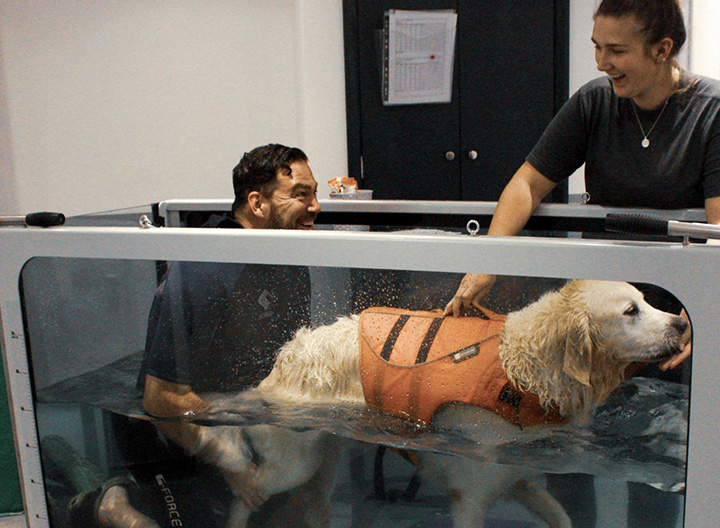
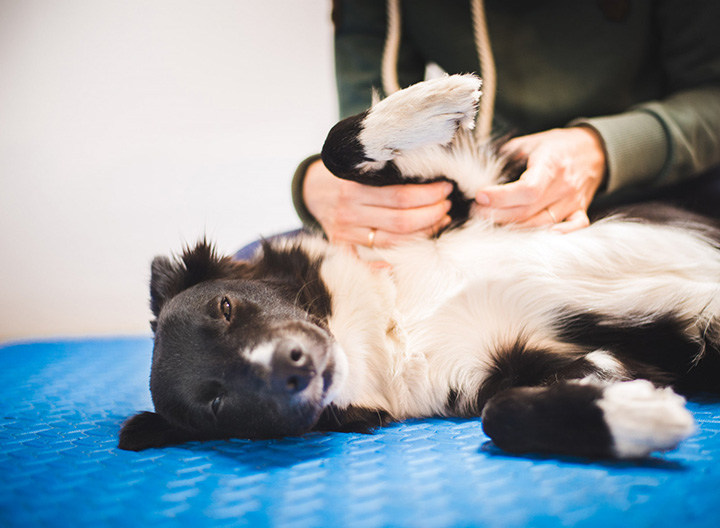
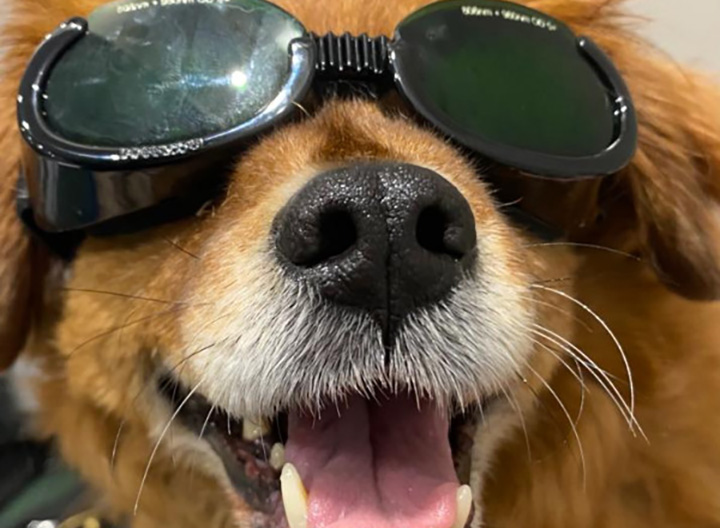
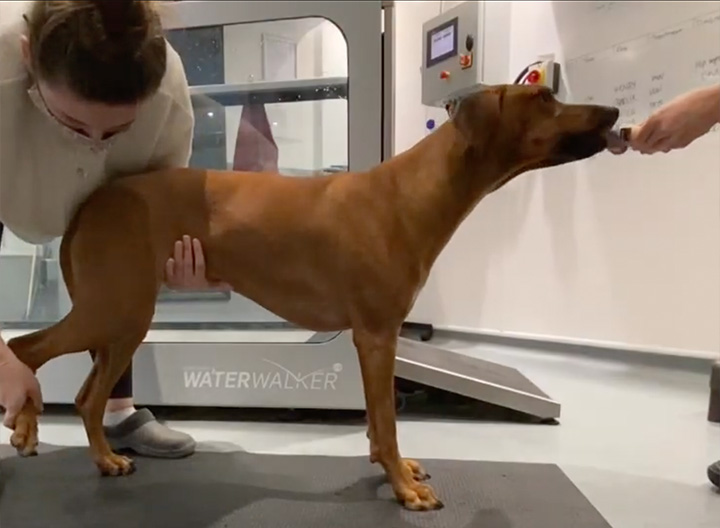
Depending on the rehabilitation programme, this could include hydrotherapy, underwater treadmill sessions, physiotherapy, exercise therapy, laser therapy or other techniques.
The aim is to support appropriate movement, strength, flexibility and function while helping the dog progress safely. A rehabilitation programme can also be adapted as the dog's abilities change.
How can I help my dog stay comfortable in winter?
There are several simple steps that may help:
- Provide a warm, comfortable bed away from cold draughts.
- Keep your dog's coat dry after walks.
- Avoid suddenly increasing exercise after periods of inactivity.
- Choose shorter, manageable walks if your dog struggles in poor weather.
- Follow any exercise programme recommended by your veterinary or rehabilitation team.
- Monitor changes in your dog's movement, particularly increased stiffness, reluctance to walk or difficulty getting up.
If you notice a significant or persistent change in your dog's mobility, speak to your vet. They can investigate the cause and advise whether rehabilitation could form part of your dog's care.
Supporting mobility through every season
Cold weather can make existing mobility challenges more noticeable, but winter does not have to mean stopping activity altogether.
With the right approach, appropriate exercise and a tailored canine rehabilitation programme, many dogs can continue working towards better mobility and maintaining their quality of life throughout the colder months.
-
Previous