The Most Common Summer Skin Issues Seen In Dogs
Summer is a wonderful time for dogs to enjoy longer walks, outdoor adventures and plenty of fresh air. However, warmer weather can also bring a variety of skin problems that leave dogs feeling uncomfortable and irritated.
From seasonal allergies to hotspots, many skin conditions become more common during the summer months. Understanding the signs to look out for can help owners address issues early and keep their dogs comfortable throughout the season.
Seasonal allergies that affect dogs
Just like people, dogs can develop allergies to pollen, grasses and other environmental allergens. During summer, increased exposure to these triggers can lead to skin irritation and itching.
Common signs include:
- Excessive scratching
- Licking or chewing paws
- Red or inflamed skin
- Rubbing the face against furniture or carpets
- Recurring ear irritation
Some dogs are more prone to allergies than others, and symptoms may worsen during periods of high pollen levels.
What are hotspots in dogs?
Hotspots, also known as acute moist dermatitis, are one of the most common summer skin problems seen in dogs. They appear as red, inflamed patches of skin that can develop rapidly and become painful if left untreated.
Hotspots often occur when a dog repeatedly licks, scratches or chews an area of irritation. Common triggers include:
- Allergies
- Insect bites
- Matted fur
- Moisture trapped in the coat
- Minor skin injuries
Because they can spread quickly, early intervention is important.
Flea-related skin problems
Fleas are typically more active during warmer months, making summer a peak season for infestations. Even a small number of fleas can cause significant discomfort.
Some dogs develop flea allergy dermatitis, where an allergic reaction to flea saliva causes intense itching and skin inflammation.
Signs may include:
- Scratching around the tail base
- Hair loss
- Redness and irritation
- Small scabs or sores
Consistent parasite prevention is one of the most effective ways to reduce the risk.
Grass seed irritation
Grass seeds become increasingly common during summer and can cause irritation when they become trapped in a dog's coat or skin.
Areas commonly affected include:
- Between the toes
- Around the ears
- Under the armpits
- Around the eyes
Dogs may suddenly start licking a paw, shaking their head or showing signs of discomfort after walks through long grass. Regular grooming and coat checks can help identify problems before they become more serious.
Skin problems caused by moisture
Swimming, paddling pools and even rainy walks can leave moisture trapped against the skin, particularly in dogs with thick or long coats. When the coat remains damp for extended periods, bacteria and yeast can thrive, potentially leading to irritation or infection.
Thorough drying after swimming and regular grooming can help maintain healthy skin and coat condition throughout summer.
How professional dog grooming can help
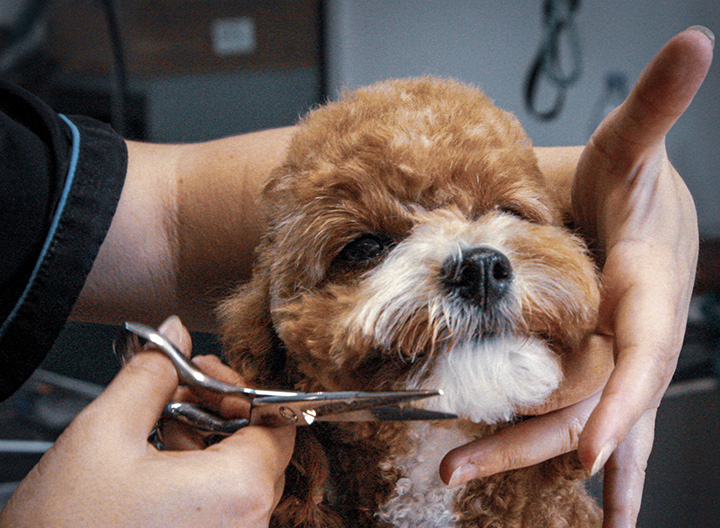
Regular grooming plays an important role in skin health. Brushing removes loose fur, dirt and debris, while professional dog grooming can help identify developing skin issues that owners may not immediately notice.
Keeping the coat clean, well-maintained and free from mats also improves airflow to the skin and reduces the likelihood of irritation.
-
Previous
-
Next