7 Signs Your Dog May Be Uncomfortable During Hot Weather
Most dogs enjoy spending time outdoors during the summer, but the very high temperatures we’re experiencing lately can quickly become uncomfortable if they are unable to cool themselves effectively.
Unlike humans, dogs cannot regulate their body temperature through sweating and instead rely primarily on panting and limited sweat glands in their paws.
Recognising the signs of heat-related discomfort early can help prevent more serious health issues and keep your dog safe throughout the warmer months.
Excessive panting
Panting is a normal way for dogs to cool themselves down, particularly after exercise. However, excessive or unusually heavy panting can indicate that your dog is struggling with the heat.
If your dog continues panting heavily after resting in the shade or indoors, it may be a sign that they need additional cooling and hydration.
Seeking cool surfaces
Dogs often instinctively look for ways to regulate their body temperature. If your dog suddenly starts lying on kitchen tiles, shaded floors or other cool surfaces more frequently than usual, they may be feeling uncomfortable in the heat.
Many dogs will also actively seek out shaded areas during walks or while spending time in the garden.
Reduced energy levels
Hot weather naturally causes many dogs to become less active. A dog that normally enjoys long walks may slow down, stop more frequently or show less interest in exercise during warmer conditions.
This is often a sensible response to higher temperatures, but owners should adjust exercise routines accordingly and avoid the hottest parts of the day.
Increased drinking
Dogs typically drink more water during summer to help maintain hydration. While increased thirst is normal, owners should ensure fresh, clean water is always available both at home and when out walking.
If your dog appears unable to quench their thirst or seems unusually lethargic despite drinking, it may be worth seeking professional advice.
Excessive drooling
Some dogs naturally drool more than others, but increased drooling can sometimes indicate that a dog is becoming too warm.
If excessive drooling is accompanied by heavy panting, weakness or signs of distress, it should be taken seriously as a potential warning sign of overheating.
Warm ears, paws and skin
Owners may notice that their dog's ears, paws or body feel warmer than usual during hot weather. While some increase in body temperature is normal, persistent warmth combined with behavioural changes may suggest that your dog is struggling to stay cool.
Restlessness or discomfort
A dog that cannot get comfortable may repeatedly change position, pace around the house or appear unsettled. This can happen when temperatures remain high, particularly during warm evenings when dogs find it difficult to cool down properly.
When heat becomes more serious
In severe cases, overheating can develop into heatstroke, which requires urgent veterinary attention.
Warning signs include:
- Extreme panting
- Difficulty breathing
- Weakness or collapse
- Vomiting
- Disorientation
- Bright red gums
- Unresponsiveness
If you suspect heatstroke, seek veterinary assistance immediately.
Helping your dog stay comfortable
By understanding how dogs respond to warmer temperatures, owners can recognise early signs of discomfort and take steps to keep their pets safe, healthy and happy throughout the summer.
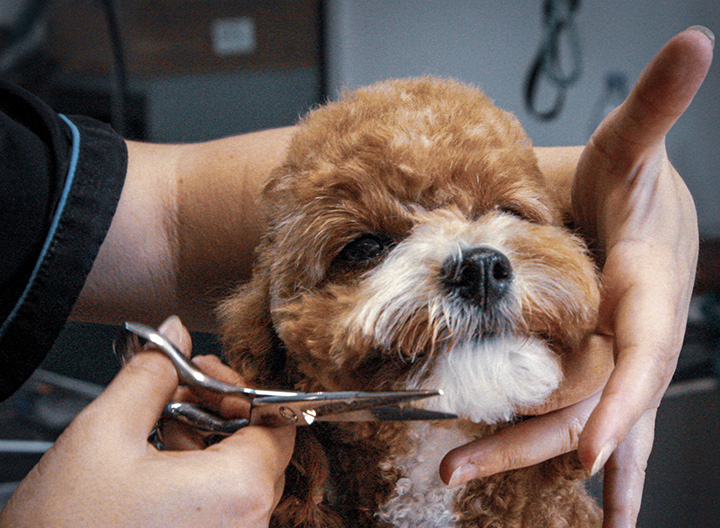
Regular dog grooming may also help by removing excess loose coat and improving airflow through the fur.
-
Previous
-
Next