What Happens During A Canine Hydrotherapy Session?
If your dog has been referred for hydrotherapy or you are considering it as part of their rehabilitation or fitness programme, you may be wondering what to expect.
Canine hydrotherapy is a carefully controlled form of exercise that takes place in water under the supervision of trained professionals. It is commonly used to support recovery from injury or surgery, improve mobility and help manage a range of long-term conditions.
Understanding what happens during a dog hydrotherapy session can help you feel confident that your dog is receiving safe, tailored care.
Before the dog hydrotherapy session
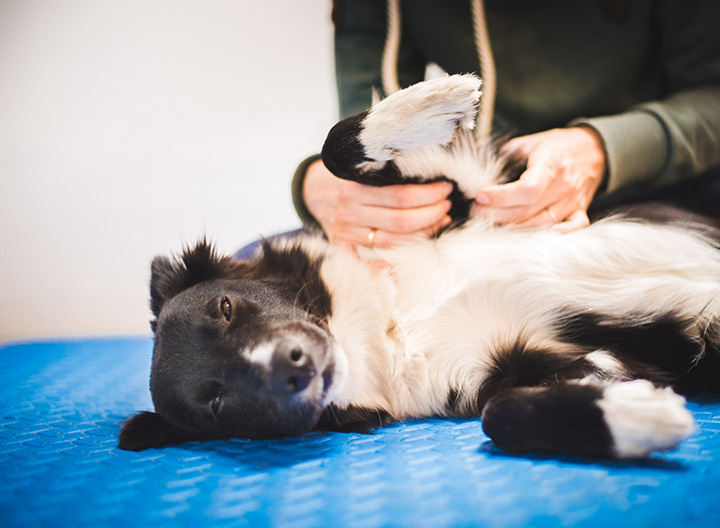
Every dog is different, so hydrotherapy begins with an assessment of their individual needs. This may include discussing your dog's medical history, current mobility, lifestyle and any veterinary recommendations.
For dogs recovering from surgery or being treated for a medical condition, hydrotherapy is typically carried out following a referral from a veterinary surgeon. The therapist will explain the treatment plan and answer any questions before your dog's first session begins.
Preparing your dog for hydrotherapy
Before entering the water, your dog will usually have a brief health check to ensure they are fit for treatment that day. Depending on the type of hydrotherapy being provided, they may also be gently rinsed to help maintain water hygiene.
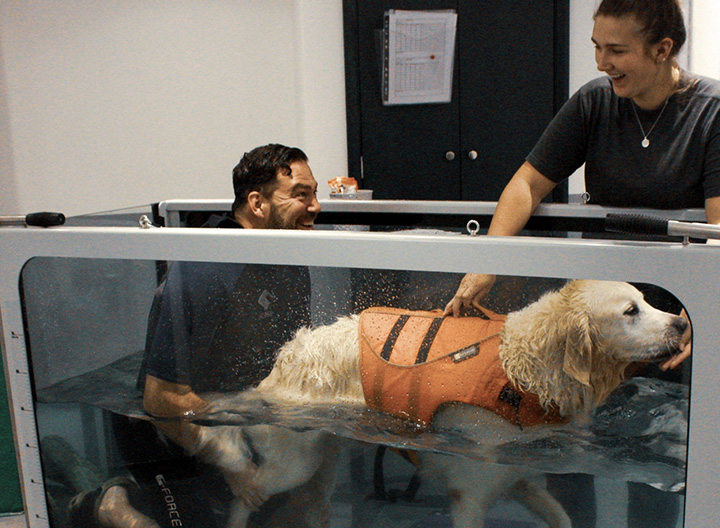
Most dogs wear a properly fitted buoyancy aid, which provides additional support and helps them move confidently in the water. The introduction to the pool or underwater treadmill is handled calmly and at a pace that suits each individual dog.
Canine exercise in the water
Once in the water, the therapist remains with your dog throughout the session, carefully monitoring their movement, comfort and confidence.
The warm water helps support the body while reducing the impact placed on joints and muscles. This allows many dogs to exercise more comfortably than they can on land.
Exercises are tailored to the dog's condition and goals, which may include:
- Improving joint mobility
- Building muscle strength
- Increasing range of movement
- Supporting post-operative rehabilitation
- Improving fitness and endurance
- Assisting with weight management
Sessions are carefully controlled, with exercise periods adjusted according to your dog's age, fitness level and medical needs.
Positive encouragement and gentle guidance help many dogs become more relaxed as they gain confidence in the water. Some dogs take to hydrotherapy immediately, while others require several sessions before they become fully comfortable.
After the canine hydrotherapy session
Once the exercises are complete, your dog is helped safely out of the water and thoroughly dried. The therapist may discuss how your dog performed, any progress made and recommendations before the next appointment.
In rehabilitation cases, progress is often monitored over multiple sessions, with treatment plans adjusted as recovery continues.
The benefits of hydrotherapy for dogs
Canine hydrotherapy offers a low-impact form of exercise that can be beneficial for dogs recovering from injury, managing arthritis, living with neurological conditions or simply needing carefully supervised strengthening work.
With professional supervision and a personalised approach, hydrotherapy can become an important part of improving mobility, supporting recovery and helping dogs maintain a good quality of life.
-
Previous
-
Next